Dental Crowns Southgate CA: Combining Durability and Beauty
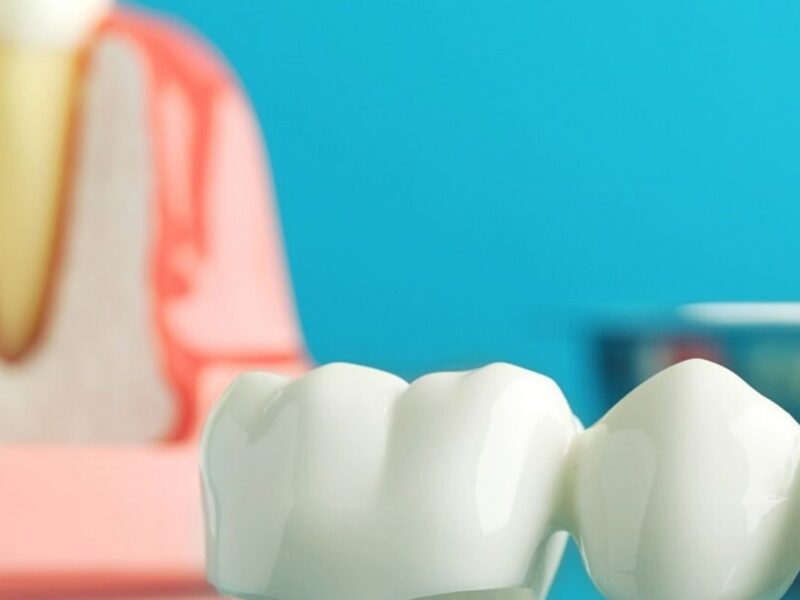

A dental crown sits at the intersection of function and appearance. It has to hold up under pressure, fit comfortably into a bite that may already be uneven, and still look like it belongs in a real smile, not a showroom smile. That balance matters everywhere, but it matters especially in a community practice setting, where patients come in with practical questions. They want to know how long a crown will last, whether it will match their other teeth, what it will feel like when they chew, and whether the investment is worth it.
Those are fair questions. A crown is not just a cosmetic accessory. It is often the final step that lets a damaged tooth keep doing its job. When treatment is done well, the crown disappears into daily life. Patients stop thinking about it. They bite into food without hesitation, speak without noticing an edge or a strange texture, and smile without covering that side of the mouth. That is the standard most dentists aim for when discussing Dental Crowns Southgate CA patients can trust.
What a crown really does
A crown is a custom-made covering that fits over a damaged or weakened tooth. It restores shape, strength, and function. In many cases, it also improves appearance, especially when the original tooth is cracked, heavily filled, worn down, darkened, or misshapen.
The common image of a crown is a cap placed over a tooth, and that is not wrong, but it leaves out the real purpose. A crown redistributes chewing forces across a compromised tooth structure. When a tooth has lost too much enamel or dentin, a filling may no longer be enough. Fillings work well in smaller areas. Once damage becomes more extensive, the remaining tooth can flex, fracture, or continue to break around the filling. A crown creates a more complete protective shell.
In practice, crowns are used in several situations. A tooth that has had root canal treatment often needs one because it is more brittle afterward. A cracked molar may need a crown to prevent the crack from spreading. A front tooth with major wear or trauma may need a crown to restore length and symmetry. Implants also receive crowns, although that restoration sits on top of an implant rather than a natural tooth.
What surprises many patients is how often crowns prevent bigger problems. A tooth that could be restored with a crown today may become a candidate for extraction six months or a year later if it keeps breaking.
Durability is not one thing
When people ask how durable a crown is, they usually mean, “Will it last?” Dentists hear a few different questions inside that one sentence. Will the material chip? Will the crown come loose? Will the tooth underneath decay? Will the bite wear it down? Will clenching break it?
All of those factors matter, and they do not all depend on the same thing.
Material strength matters, of course. So does the design of the crown, the amount of healthy tooth left, how well the bite is adjusted, and whether the patient grinds at night. A beautiful crown placed on a tooth with a deep untreated crack is not a durable restoration. Neither is a very strong crown placed a little too high in the bite. Strength in dentistry is never just about the lab material. It is about the whole system working together.
A well-made crown can often last 10 to 15 years, and many last longer. Some fail earlier because of heavy grinding, decay at the margin, trauma, or poor oral hygiene. Others keep going for two decades or more. The difference is rarely luck alone. It usually comes down to diagnosis, planning, and maintenance.
That is why the best conversations about Dental Crowns Southgate CA treatment should include habits and risk factors, not just color matching. A patient who clenches hard during sleep may need a night guard. A patient with dry mouth from medication may need closer monitoring for recurrent decay. A patient with a history of breaking fillings may need a stronger material on back teeth than they would have chosen for looks alone.
Beauty matters, but natural beauty matters more
Cosmetic expectations have changed. Most patients do not Dental Crowns Southgate CA want teeth that look obviously “done.” They want teeth that look healthy, balanced, and believable. That is an important distinction.
The best crowns mimic natural enamel in several ways. They reflect light with some depth instead of looking flat. They have subtle texture rather than a smooth plastic sheen. Their color is not a single block of white. Natural teeth have variation, especially near the edges and toward the gumline. The shape matters too. A crown that is technically the right shade can still stand out if it is too bulky, too square, too short, or too glossy.
Front teeth demand a higher level of aesthetic judgment than back teeth. On a front tooth, tiny differences in translucency, incisal edge shape, and facial contour can be visible from across the room. On molars, appearance still matters, but function usually leads the decision. Patients often assume the “prettiest” material is always the best choice, yet dentists know that beauty has to suit the location. The most lifelike material for a front tooth may not be the smartest material for a heavy-biting second molar.
There is also the matter of gum tissue. Even a well-matched crown can look unnatural if the margin near the gum is poorly designed or if inflammation is present. Healthy gums frame a crown. Without that frame, even expensive work can look unfinished.
Choosing the right material
Not every crown is made from the same material, and each option has strengths and limitations. This is one area where trade-offs are real, not theoretical.
- All-ceramic or porcelain crowns often provide the most natural appearance, especially on front teeth.
- Zirconia crowns are known for strength and are frequently chosen for back teeth or patients with heavy biting forces.
- Porcelain-fused-to-metal crowns can be durable, though they may show a dark edge over time in some cases.
- Gold or high noble metal crowns remain excellent functionally, particularly on molars, though many patients prefer tooth-colored options.
- Implant crowns may use similar materials, but their design differs because they attach to an implant rather than natural tooth structure.
Patients are sometimes surprised to hear a dentist recommend a less “invisible” material in certain cases. That recommendation is usually based on forces, space, and long-term performance. If a patient has very limited room between upper and lower teeth, material selection becomes more constrained. If someone has a long history of fractured restorations, strength may need to take priority.
There is no universal best crown material. There is only the best fit for a specific tooth in a specific mouth.
The process, and why the details matter
A crown appointment can seem straightforward from the outside. The tooth is shaped, a scan or impression is taken, a temporary is placed, and the final crown is cemented later. Yet almost every step contains decisions that affect the result.
To prepare a tooth for a crown, the dentist removes decay, weak structure, and old restorative material if needed, then creates a shape that will hold the crown securely. Enough space must be made for the chosen material without over-reducing the tooth. Remove too little, and the final crown may look bulky or be too thin to hold up. Remove too much, and the tooth may be unnecessarily weakened.
Digital scanning has improved comfort and precision in many offices. It can help capture margins clearly and speed communication with the lab. Still, technology does not replace judgment. The margin must be placed properly. Tissue has to be managed carefully so the scan or impression records the finish line accurately. Bite records have to reflect how the patient actually closes, not how they close when they are numb and unsure.
Temporary crowns deserve more respect than they often get. A rough or loose temporary can irritate the gums, shift the tooth slightly, or distort the patient’s sense of the final result. In anterior cases, temporary crowns also serve as a preview of shape and length. Small changes at that stage can prevent disappointment later.
When the final crown comes back from the lab, the dentist checks fit, contacts, shade, contours, and occlusion. This is where experience shows. A crown can fit the model well and still need refinement in the mouth. If it traps floss too tightly, food packing may become a daily annoyance. If it Simple Dental South Gate Dental Crowns Southgate CA hits first in the bite, the tooth may feel “too tall” even when the difference is subtle. If the contour presses the gum awkwardly, the tissue may stay puffy and sore.
Patients often think success means the crown simply stays on. Dentists know success is quieter than that. It means the crown feels ordinary within days.
When a crown is the right answer, and when it is not
Crowns are valuable restorations, but they are not the answer to every damaged tooth. Conservative dentistry still matters. If a tooth can be restored predictably with a bonded filling or onlay, that may preserve more natural structure. On the other hand, trying to save a severely compromised tooth with a patchwork filling can be a false economy.
Judgment matters most in those middle-ground cases. A tooth with one cracked cusp and a large old filling may technically be repairable with direct composite, but if the patient is a strong grinder and the remaining tooth walls are thin, a crown often offers the more stable long-term solution. Conversely, a small fracture on a front tooth may not justify full crown coverage if bonding can achieve the result with less removal of healthy enamel.
There are also times when a tooth is too far gone for a predictable crown. If decay extends too deeply below the gumline, if the root is fractured, or if periodontal support is poor, placing a crown may not be the wisest path. Good dentistry includes knowing when not to restore.
That point deserves emphasis because patients appreciate honesty. A thoughtful dentist is not simply trying to “sell a crown.” They are weighing prognosis. Sometimes the most professional recommendation is a crown. Sometimes it is an onlay. Sometimes it is extraction and replacement planning. Each path has consequences.
Matching the crown to the person, not just the tooth
The same tooth can need different treatment depending on the patient sitting in the chair. That is the human side of restorative dentistry, and it often gets overlooked in generic online advice.
A retired patient with modest bite forces, excellent hygiene, and a low-caries history may be an ideal candidate for a highly aesthetic ceramic crown in an area with visible smile display. A younger patient with acid erosion, frequent snacking, and heavy clenching might need a sturdier design, a night guard, and dietary counseling alongside the crown. The restoration is part of a larger care plan, not a standalone fix.
Lifestyle also affects the conversation. Some patients work in public-facing roles and care deeply about how quickly the temporary and final restoration blend in. Some sing, teach, or speak for a living, so even slight changes to front tooth contours can affect speech. Others want a crown that can tolerate years of coffee, tea, and inconsistent scheduling because life is busy and ideal maintenance may not happen every six months.
That is one reason local care matters. A practice that regularly serves Southgate families often develops a practical feel for the concerns patients bring. Some want options laid out plainly. Some want to understand every material. Some need to phase treatment over time for financial reasons. Good care meets patients where they are without lowering clinical standards.
Common problems patients notice after crown placement
Most crowns settle in without drama, but a few issues come up often enough to be worth discussing. Temporary sensitivity to cold is not unusual, especially if the tooth was vital and had a large preexisting filling. A slightly “high” bite is one of the most common reasons a new crown feels off. Even a minor discrepancy can make chewing on that side feel strange.
Food trapping between teeth is another complaint that patients notice quickly. Usually this points to contact shape or contour rather than the material itself. Gum soreness can result from temporary irritation during the procedure, but persistent tenderness may signal a contour issue or cement residue that needs attention.
Here are signs that a crown should be rechecked sooner rather than later:
- It feels tall or you hit it first when you bite down.
- Floss shreds repeatedly or gets stuck at the margin.
- The gum around it stays swollen or bleeds beyond the normal healing period.
- You feel persistent temperature sensitivity that is not improving.
- The crown feels loose, rough, or different suddenly after chewing.
Most of these issues can be adjusted if caught early. Patients sometimes wait because they assume they simply need more time to “get used to it.” Sometimes that is true, but a bite issue rarely improves by waiting. A simple adjustment can save the tooth and restoration from unnecessary stress.
Longevity depends on what happens after the cement sets
Once a crown is placed, the work is not finished. The crown itself cannot decay, but the tooth structure at the margin can. That is where plaque, acidic conditions, and neglect create problems. Recurrent decay around crowns is a common reason for replacement.
Brushing matters, but technique matters more than force. Aggressive scrubbing can irritate gums and expose root surfaces. Daily flossing or another form of interdental cleaning is essential because the crown margin often sits in a place where biofilm can linger. If the patient wears a night guard, it should actually be worn, not left in a case most nights.
Routine examinations help spot trouble early. A crown may look fine from the outside while decay begins at the edge, or a hairline crack progresses in the supporting tooth. Radiographs and clinical checks give context that a mirror at home cannot.
Diet enters the picture as well. Frequent sugar exposure, acidic beverages, and constant snacking increase risk around any restoration. This does not mean patients need a perfect diet. It means patterns matter. A person who sips sweet coffee for hours each morning creates a different oral environment than someone who drinks it with a meal and rinses with water after.
Cost, value, and the question patients really ask
When patients ask about cost, they are often asking about value. They want to know whether the crown will solve the problem in a way that lasts. A crown can cost more upfront than a large filling, but the cheaper option is not truly cheaper if it fails repeatedly, fractures the tooth further, or leads to more extensive treatment later.
Value also includes comfort and confidence. A crown on a visible tooth that matches naturally and feels stable can change how a person speaks, laughs, and shows up socially. A well-restored molar can make eating comfortable again after months of chewing on the other side. Those outcomes are difficult to assign a number to, but they are real.
Insurance may cover part of crown treatment depending on diagnosis and plan terms, though limitations are common. Frequency clauses, waiting periods, downgrades to less expensive materials, and annual maximums all affect out-of-pocket cost. A trustworthy office will explain these variables clearly, but patients should understand that insurance coverage is not the same as clinical necessity.
Why local expertise makes a difference
Searching for Dental Crowns Southgate CA should lead patients to more than a list of providers and before-and-after photos. It should lead them to clinicians who understand restorative principles and can communicate them clearly. The right practice does not rush material choices or reduce the conversation to shade tabs. It evaluates the bite, the condition of the tooth, the gums, the patient’s habits, and the long-term prognosis.
That type of care tends to feel different from the first consultation. The questions are more specific. Has the tooth had pain, and what kind of pain? Has it broken before? Do you grind? Are you most concerned about durability, appearance, or both? Do you want the strongest option, the most aesthetic option, or the best balance for where this tooth sits?
Those questions matter because crowns succeed when they are personalized. Dentistry is full of restorations that were technically acceptable the day they were cemented but poorly matched to the patient who received them. A crown should not just survive the appointment. It should serve the person wearing it for years.
The best crowns disappear into daily life
A successful crown does not draw attention to itself. It lets a back tooth carry chewing forces without complaint. It lets a front tooth blend into a smile with the quiet confidence of natural anatomy. It protects what remains of a tooth while respecting the way the mouth functions as a whole.
That combination of durability and beauty is not accidental. It comes from sound diagnosis, careful preparation, appropriate material selection, strong communication with the lab, and attention to the tiny details that patients may never see but always feel. For anyone considering Dental Crowns Southgate CA, that is the standard worth looking for.
When a crown is done right, patients rarely describe it in technical language. They say something simpler. They say it feels like their tooth again.
Simple Dental South Gate
Address: 8617 California Ave, South Gate, CA 90280
Phone number: +13236896118
FAQ About Dental Crowns Southgate CA
How much do crowns cost per tooth?
In the United States, a single dental crown typically costs between $800 and $2,500 per tooth without insurance. The ultimate out-of-pocket price depends heavily on the crown material, the location of the tooth, and whether you have dental insurance coverage.
What is the downside of crowns on teeth?
The primary downside of a dental crown is that the procedure permanently removes natural tooth enamel to shape the tooth for the cap.
Why do dentists push for crowns?
Dentists recommend crowns because a large filling cannot provide enough strength when a tooth loses a major portion of its structure or faces heavy chewing pressure.